
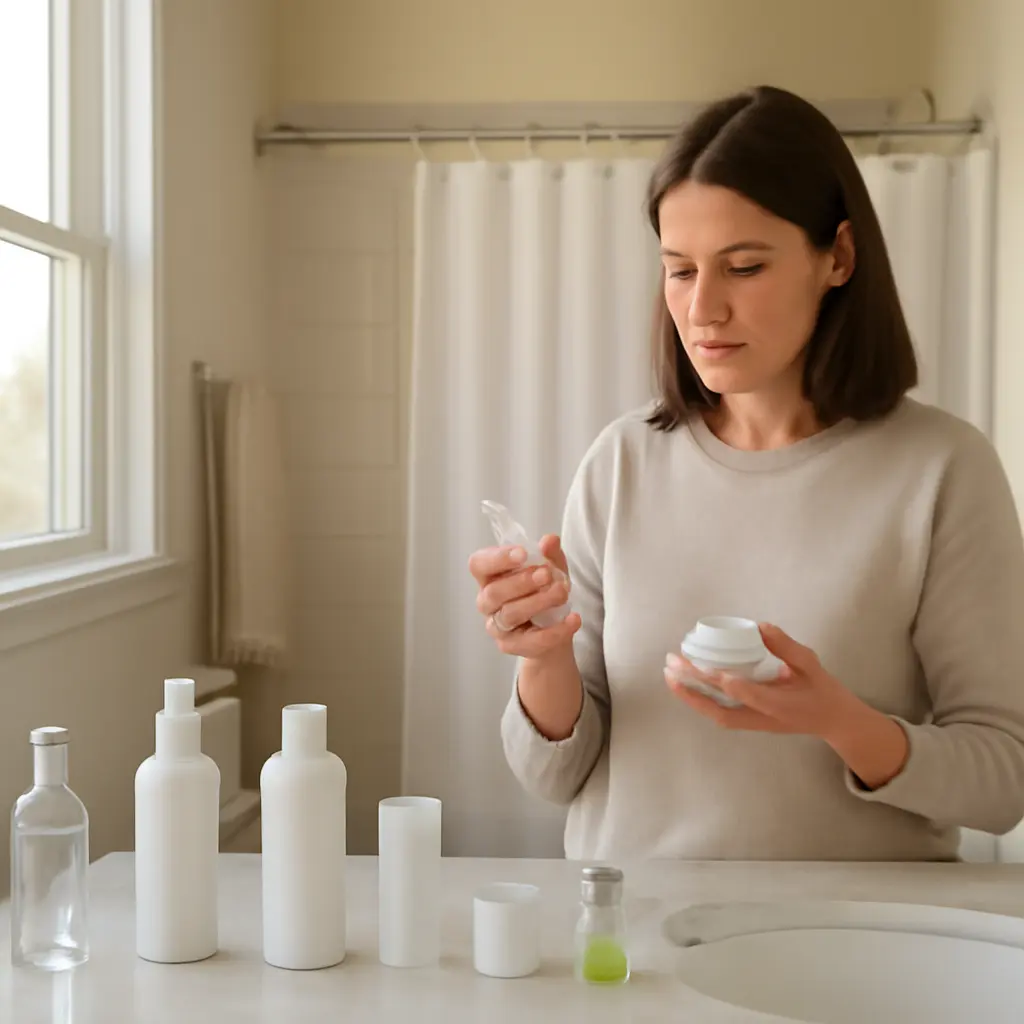
Facial enhancement without surgery refers to nonoperative ways of changing or emphasizing facial appearance, from makeup and skincare to injectable treatments and energy-based procedures. The right option depends on a person’s goals, health, budget, and tolerance for risk: topical products and makeup are temporary and generally less invasive, while injectables and device treatments can produce longer-lasting changes but may cause complications. The American Society of Plastic Surgeons reported 9.5 million U.S. minimally invasive cosmetic procedures in 2023, illustrating the scale of interest while not implying that any procedure is risk-free. This guide explains the main categories, how they work, what evidence and safety guidance say, and how to make informed choices.
Non-Surgical Facial Enhancement: Definition, Scope, and Popularity
Non-surgical facial enhancement is a broad term for cosmetic approaches that do not involve an operation or surgical incision. It includes everyday appearance techniques, such as makeup, and clinical treatments, such as botulinum toxin injections, dermal fillers, chemical peels, and certain laser or light procedures. The U.S. Food and Drug Administration (FDA) distinguishes regulated products and devices by their intended use and authorization; a treatment being called “non-surgical” does not by itself establish that it is approved, suitable, or safe for every person.
The American Society of Plastic Surgeons’ 2023 statistics report counted approximately 9.5 million minimally invasive cosmetic procedures in the United States, including about 4.7 million botulinum toxin type A procedures and 1.4 million hyaluronic acid filler procedures. These are procedure counts, not unique patients, and the professional society’s figures do not represent every provider or treatment performed. They nevertheless show why clear distinctions between low-risk cosmetic practices and medical procedures matter.
How Non-Surgical Facial Enhancement Methods Differ
A useful way to understand facial enhancement is to group options by what they change and how they work: surface appearance, skin texture or pigmentation, facial muscle activity, or facial volume and contour. The American Academy of Dermatology (AAD) describes cosmetic treatments as choices that should be matched to a person’s skin concerns, medical history, and expectations. Results, duration, and risk vary substantially across these groups.
Makeup and Cosmetic Camouflage
Makeup temporarily changes the visible appearance of the skin and facial features through color, coverage, shading, and highlighting. It can soften the look of discoloration, emphasize brows or eyes, or create an impression of altered facial proportions without changing underlying anatomy. Effects last until the product is removed, and users can adjust or stop the technique immediately. People with sensitive or acne-prone skin can reduce irritation by choosing suitable products, removing makeup gently, and avoiding products that trigger a reaction.
Skincare and Sun Protection
Skincare aims to support the skin barrier and address concerns such as dryness, uneven tone, acne, or signs of photoaging. Moisturizers, sunscreen, and selected active ingredients may improve specific skin concerns over time, but they do not replicate the structural effects of a filler or surgery. The U.S. Centers for Disease Control and Prevention and the American Academy of Dermatology recommend sun protection as a central measure for reducing ultraviolet exposure; broad-spectrum sunscreen labeled SPF 30 or higher is a common professional recommendation. Retinoids and exfoliating ingredients can irritate skin, so product choice and use frequency should be individualized, especially during pregnancy or when treating a skin condition.
Injectables: Neuromodulators and Dermal Fillers
Injectables are medical treatments delivered through a needle. Botulinum toxin products temporarily reduce activity in targeted muscles and are used for certain expression lines; dermal fillers add volume or alter contours, with effects depending on the product and treatment area. The FDA states that approved dermal fillers are prescription devices and that their risks can include bruising, swelling, infection, nodules, and, rarely, blood-vessel blockage that may cause tissue injury, vision impairment, or blindness. The FDA also warns against needle-free filler devices and filler injections into certain areas, including the glabella, nose, and around the eyes.
The FDA has not approved injectable silicone for body or facial contouring, and it warns that unapproved injections can cause serious harm. A qualified, appropriately licensed health professional should explain the specific product, expected duration, alternatives, and emergency plan before treatment. Since “filler” is not a single product, patients should ask for the product name and verify that its intended use and treatment area align with FDA authorization.
Chemical Peels and Skin-Resurfacing Treatments
Chemical peels use solutions to exfoliate or remove selected layers of skin, while laser and light-based treatments deliver energy to target particular skin concerns. Depending on the treatment, these approaches may address texture, some discoloration, or selected signs of aging; they do not produce the same effect as surgery. The AAD notes that peel strength affects recovery and risks, which may include redness, infection, pigment changes, or scarring. Treatment selection should account for skin tone, medical history, sun exposure, and the practitioner’s experience.
Noninvasive Devices and At-Home Tools
Radiofrequency, ultrasound, and other energy-based devices are marketed for concerns such as skin tightening or texture. Their effects and evidence differ by device, indication, and treatment protocol, so claims should be assessed individually rather than treated as interchangeable. At-home rollers, light devices, and other tools may have different risks from professional equipment; using a device outside its instructions or on unsuitable skin can cause injury. Check the FDA’s device information and consult a qualified clinician before using a device for a medical or persistent skin concern.
Choosing a Treatment and Managing Risk
Choosing among non-surgical options starts with defining the desired change. A person seeking temporary coverage may prefer makeup, while someone concerned about a skin condition may benefit from a dermatologist’s assessment. A procedure is not automatically the best answer simply because it is widely advertised or described as “lunchtime” or “minimally invasive.”
- Clarify the concern and whether it is cosmetic, medical, or both.
- Ask a qualified clinician about realistic outcomes, alternatives, expected duration, recovery, and risks for the specific product or device.
- Confirm the practitioner’s license, training, and experience treating the relevant facial area; ask where the treatment will be performed and who manages complications.
- For injectables, request the product name and packaging information, and avoid treatments offered through unlicensed settings or products of uncertain origin.
- Allow time to consider the decision. Avoid pressure, guaranteed-result claims, and social-media images that may be filtered or unrepresentative.
Seek urgent medical care for severe or rapidly worsening pain, changes in skin color, vision symptoms, breathing difficulty, or other serious symptoms after a procedure. The FDA emphasizes that filler-related vascular complications can require immediate treatment. People considering any intervention should disclose medications, allergies, prior procedures, and relevant health conditions to the treating professional.
A Practical Comparison of Options
The comparison below is a general guide, not a prediction of an individual result. Treatment effects and risks depend on the product, technique, practitioner, and patient.
| Approach | Primary purpose | Typical duration | Key consideration |
|---|---|---|---|
| Makeup | Temporary visual emphasis or coverage | Until removed | Product suitability and skin sensitivity |
| Skincare | Skin-barrier support and selected surface concerns | Requires ongoing use; results vary | Irritation risk and realistic expectations |
| Injectables | Temporary muscle relaxation or volume change | Product- and area-dependent | Medical risks, practitioner skill, and product verification |
| Peels and energy devices | Selected texture, tone, or skin-quality concerns | Varies by treatment and course | Skin type, recovery, and device or peel-specific risks |
Conclusion: Informed Facial Enhancement Without Surgery
Facial enhancement without surgery spans reversible cosmetic techniques, ongoing skincare, and clinical procedures with different effects and risk profiles. Makeup and skincare focus mainly on appearance at the surface, while injectables and devices can produce more substantial changes and require careful professional assessment. Procedure statistics from the American Society of Plastic Surgeons show that minimally invasive treatments are common, but popularity is not proof of suitability or safety. Define your goal, verify credentials and products, consult a qualified clinician when considering a procedure, and use FDA and dermatology resources to guide further reading.
Sources: American Society of Plastic Surgeons, 2023 Plastic Surgery Statistics Report, https://www.plasticsurgery.org/documents/News/Statistics/2023/plastic-surgery-statistics-report-2023.pdf; U.S. Food and Drug Administration, Dermal Fillers (Soft Tissue Fillers), https://www.fda.gov/medical-devices/aesthetic-cosmetic-devices/dermal-fillers-soft-tissue-fillers; U.S. Food and Drug Administration, FDA Warns Against Use of Needle-Free Devices for Injection of Dermal Fillers, https://www.fda.gov/medical-devices/safety-communications/fda-warns-against-use-needle-free-devices-injection-dermal-fillers; American Academy of Dermatology, Chemical Peels: FAQs, https://www.aad.org/public/cosmetic/younger-looking/chemical-peels-faqs; American Academy of Dermatology, Sunscreen FAQs, https://www.aad.org/media/stats-sunscreen; U.S. Centers for Disease Control and Prevention, Sun Safety, https://www.cdc.gov/skin-cancer/sun-safety/index.html.